Vietnam has become an increasingly important manufacturing base for international companies looking to diversify their supply chains. Competitive costs, an established industrial workforce, and growing production capabilities have made the country an attractive sourcing destination across sectors such as electronics, machinery, furniture, automotive components, and industrial equipment.
However, being competitive on cost is no longer enough to secure and retain international manufacturing contracts.
Global manufacturers are becoming more selective about the suppliers they work with. Instead of assessing a factory mainly through product samples and quoted prices, buyers increasingly look at the supplier’s ability to maintain consistent quality, manage production at scale, meet compliance requirements, and communicate effectively throughout the manufacturing process.
For Vietnamese industrial suppliers, this means the bar is moving from “Can you produce it?” to “Can you produce it consistently, reliably, and according to international requirements?”
What Global Manufacturers Expect from Vietnam Suppliers
The expectations vary by industry and product, but several requirements are becoming increasingly common when global manufacturers evaluate suppliers in Vietnam.
Consistent Quality and Process Control
A supplier may produce an acceptable sample, but that does not necessarily demonstrate that it can maintain the same quality throughout a long production run.
Global manufacturers therefore pay close attention to how quality is controlled during production. They may assess inspection procedures, production processes, quality checkpoints, equipment maintenance, and the supplier’s ability to identify and resolve defects.
Consistency is particularly important for industrial components, where even small variations can affect assembly, performance, or compatibility with other parts.
For suppliers, quality management needs to extend beyond final inspection. Buyers increasingly want to see a controlled production process that can deliver predictable results from batch to batch.
Compliance and Traceability
International buyers also need greater visibility into where materials come from, how products are manufactured, and whether production meets relevant regulatory or industry requirements.
Depending on the product and destination market, this can involve certifications, material documentation, environmental requirements, workplace standards, or other forms of compliance.
Traceability becomes especially valuable when problems occur. A supplier with clear records can help a buyer identify which materials, processes, or production batches may be affected and respond more quickly.
As a result, documentation is no longer simply administrative paperwork. It forms part of the supplier’s ability to demonstrate that its manufacturing process is controlled and transparent.
The video explores what buyers should look for when assessing a manufacturing supplier’s capabilities and readiness for long-term cooperation.
Production Capacity and Delivery Reliability
Capacity is another area where international buyers increasingly look beyond a supplier’s stated production volume.
A factory may be able to handle an initial order, but buyers also need confidence that it can manage larger or recurring volumes without compromising quality or delivery schedules.
This makes production planning, workforce management, equipment availability, lead-time control, and contingency planning important parts of supplier evaluation.
For global manufacturers operating with tightly coordinated supply chains, an unexpected delay at one supplier can affect production schedules elsewhere. Reliability, therefore, becomes a capability that must be demonstrated rather than simply promised.
Technical Capability and Engineering Support
For industrial manufacturing, the relationship between buyer and supplier often goes beyond executing a finished specification.
Suppliers may need to review drawings, identify manufacturing issues, suggest process improvements, support prototyping, or work with the buyer’s engineering team to solve production challenges.
This is particularly relevant when products involve complex components, tight tolerances, specialized materials, or customized production processes.
Technical capability can therefore influence whether a supplier is suitable for a long-term manufacturing relationship, rather than only for a single purchase order.
Communication and Transparency
Even a technically capable supplier can create difficulties if communication is slow or unclear.
Global manufacturers often work across different countries, time zones, languages, and internal teams. They need suppliers that can communicate changes, identify risks early, provide accurate production updates, and respond when problems arise.
Clear communication is especially important during product development and production ramp-up, when specifications and timelines may change.
For international buyers, transparency helps reduce uncertainty. It also gives them greater confidence that potential issues will be addressed before they become major disruptions.
Why the Bar Is Getting Higher
These expectations are not appearing in isolation. They reflect broader changes in the way global manufacturers manage their supply chains.
International companies have become more conscious of supply-chain risk. Disruptions in logistics, raw materials, production, and international trade can affect manufacturing operations far beyond the location where the original problem occurs.
As companies diversify their sourcing, they are not simply looking for another low-cost production location. They need suppliers that can provide a dependable alternative within a more complex global network.
At the same time, products are becoming more interconnected with regulatory, environmental, and quality requirements in their destination markets. A manufacturer may therefore need much more information from its suppliers than it did in the past.
Vietnam’s growing role in international manufacturing also contributes to this shift. As more global companies source higher-value products and components from the country, expectations naturally move beyond basic production capacity.
In other words, greater access to international supply chains also brings greater responsibility for meeting international standards.
How Vietnamese Suppliers Can Meet These Expectations
Meeting higher buyer expectations does not necessarily mean making every process more sophisticated overnight. For many suppliers, the priority is to build systems that make existing capabilities more consistent and easier for international buyers to verify.
Strengthen Quality Systems
Quality control should be embedded throughout production rather than concentrated at the final inspection stage.
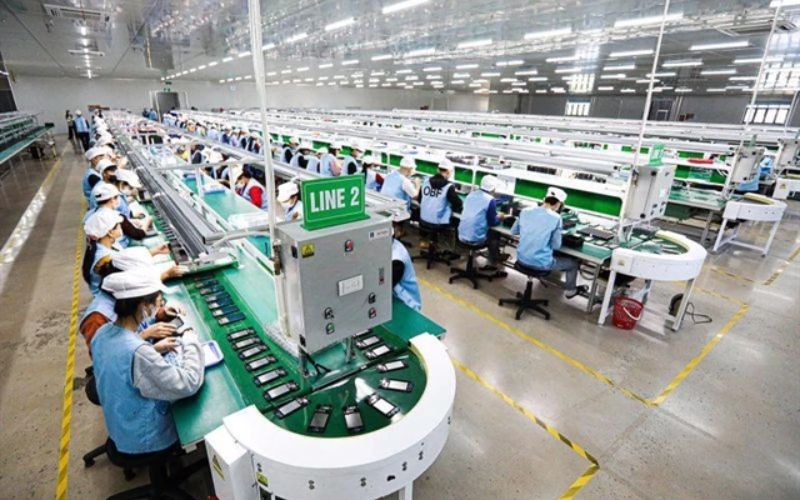
Suppliers can establish clearer inspection points, standardize operating procedures, monitor recurring defects, and use production data to identify areas for improvement. Maintaining equipment properly is equally important when consistency depends on machine performance.
The objective is not simply to pass a buyer’s inspection. It is to create a process capable of producing the expected result repeatedly.
Improve Documentation and Traceability
International buyers need evidence that processes are being managed properly.
Suppliers can strengthen their position by maintaining organized records for materials, production batches, inspections, certifications, and corrective actions. Clear documentation also makes communication with buyers more efficient during audits or quality investigations.
For a potential customer evaluating several factories, the ability to provide accurate and well-organized information can make a supplier easier to assess and work with.
Invest in Production and Technical Capability
As requirements become more demanding, suppliers may need to invest in equipment, testing capabilities, process engineering, employee training, or production technology.
The right investment depends on the supplier’s market and product category. A factory producing precision components may have different priorities from one manufacturing larger industrial assemblies.
What matters is whether the supplier’s capabilities match the technical and volume requirements of its target customers.
Improve Planning and Communication
Operational reliability also depends on how well a supplier manages information.
Production schedules should reflect realistic capacity, material availability, and lead times. When a potential delay or technical issue appears, communicating it early gives the buyer more time to respond.
This can make a significant difference in long-term relationships. Buyers are generally better positioned to manage a known problem than an unexpected one discovered after a deadline has already been missed.
What Buyers Should Assess Beyond Price
For global manufacturers, supplier selection requires more than comparing prices. Buyers also need to assess a supplier’s ability to deliver the required quality, volume, documentation, and technical support consistently.
Key questions include whether the factory can maintain quality as production scales up, document its processes, trace materials and batches, and respond effectively when issues arise.
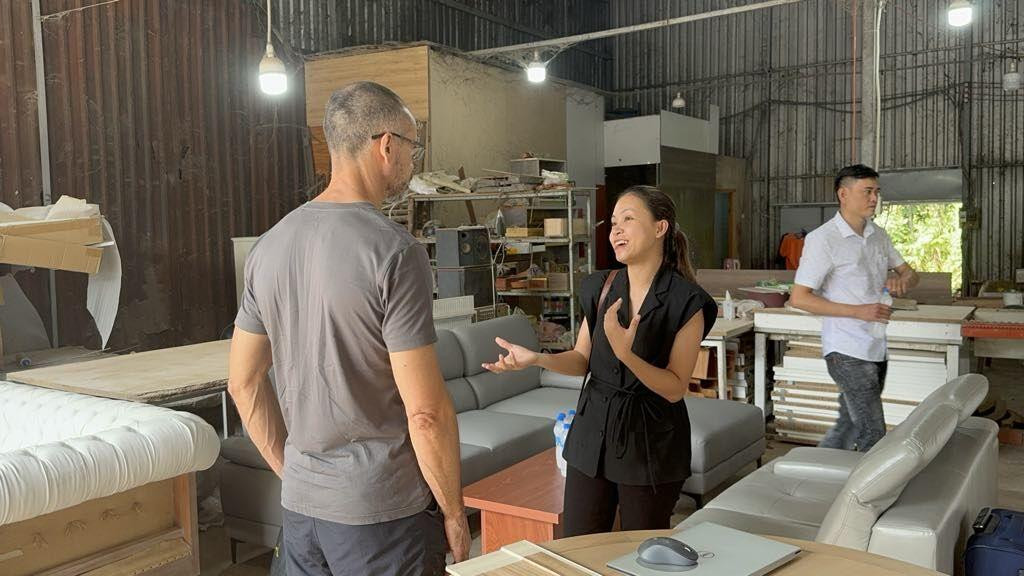
Site visits, sample evaluations, technical discussions, quality audits, and production trials can help buyers verify these capabilities before making a long-term sourcing decision. The aim is to determine whether the supplier has the systems, people, and processes to perform reliably over time.
From Cost Competitiveness to Supplier Capability
Vietnam’s cost competitiveness remains an important part of its appeal as a manufacturing destination. But for industrial suppliers seeking to work with global manufacturers, the opportunity increasingly depends on more than price.
International buyers want confidence that a supplier can maintain quality, meet production commitments, demonstrate compliance, provide technical support, and communicate transparently.
That changes what it means to be a competitive supplier.
The factories best positioned for long-term international partnerships are not simply those that can offer an attractive quotation. They are those that can demonstrate a dependable manufacturing process and provide buyers with confidence throughout the relationship.
As global manufacturers continue to strengthen their supplier requirements, Vietnamese industrial companies have an opportunity to move further up the supply chain by building the capabilities needed to compete on reliability, quality, technical performance, and long-term manufacturing value.