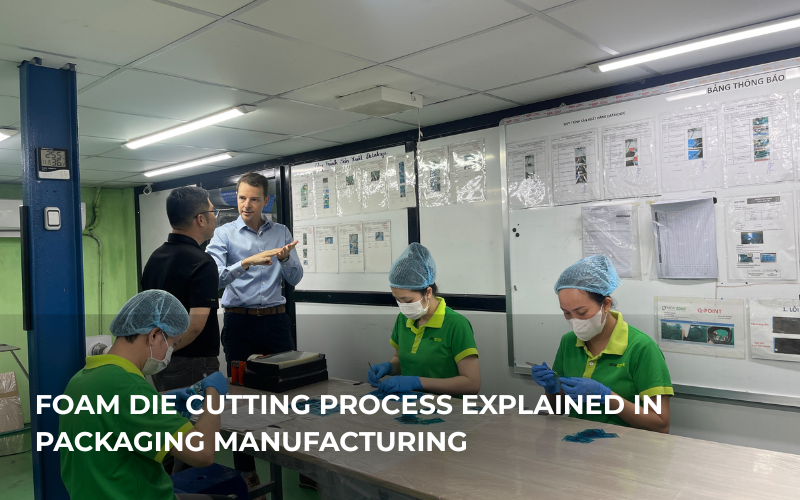
Learn how foam die cutting works in packaging manufacturing, from industrial foam cutting machines to full foam manufacturing processes.
Introduction: Understanding Foam Die Cutting in Modern Packaging
The demand for high-performance protective packaging has grown significantly as global supply chains become more complex and product integrity becomes a critical concern. At the center of this evolution lies foam die cutting, a process that enables manufacturers to create highly precise protective inserts used across industries such as electronics, industrial equipment, and medical devices.
Today, manufacturers rely on advanced industrial foam cutting machines to produce consistent and repeatable results at scale. As part of the broader foam manufacturing process, die cutting transforms raw foam materials into engineered packaging solutions designed to minimize damage during transport and handling.
Understanding how this process works is essential for sourcing professionals and industrial buyers looking to optimize both cost and quality in packaging production.
To better understand how foam die cutting operates in real manufacturing conditions, this factory video provides a practical look at machinery, workflow, and production precision.
What Is Foam Die Cutting in Packaging Manufacturing
Foam die cutting is a fabrication process used to cut foam materials into specific shapes using a custom-designed die. In packaging manufacturing, this technique is widely used to produce inserts that hold products securely in place, preventing movement and absorbing shocks during transportation.
Unlike manual cutting methods, die cutting allows for high levels of precision and repeatability. A custom die, typically made of steel blades arranged in a predefined shape, is pressed into foam sheets using an industrial foam cutting machine. This ensures that each piece is identical, even in large production runs.
Within the overall foam manufacturing process, die cutting is generally performed after foam production and sheet preparation, making it one of the final and most critical steps before assembly and shipping.
The Role of Foam in Protective Packaging
Foam materials are widely used in packaging due to their ability to absorb shocks, reduce vibrations, and protect fragile products. Their lightweight nature also contributes to lower shipping costs, which is a key factor in global logistics.
Common Foam Materials Used
Different types of foam are selected depending on the application. Expanded polyethylene offers excellent cushioning and is commonly used in transport packaging, while EVA foam provides higher durability and a more premium finish. Polyurethane foam, on the other hand, is often used when flexibility and softness are required.
Each of these materials behaves differently during the foam manufacturing process, influencing how they are cut, shaped, and ultimately used in packaging solutions.
Why Precision Matters in Packaging
Precision is a fundamental requirement in protective packaging. Even small deviations in dimensions can result in product movement inside the packaging, increasing the risk of damage during transit.
Foam die cutting ensures that each insert is designed to perfectly match the product it protects. This tight fit minimizes movement and enhances shock absorption, which is particularly important for high-value or sensitive goods.
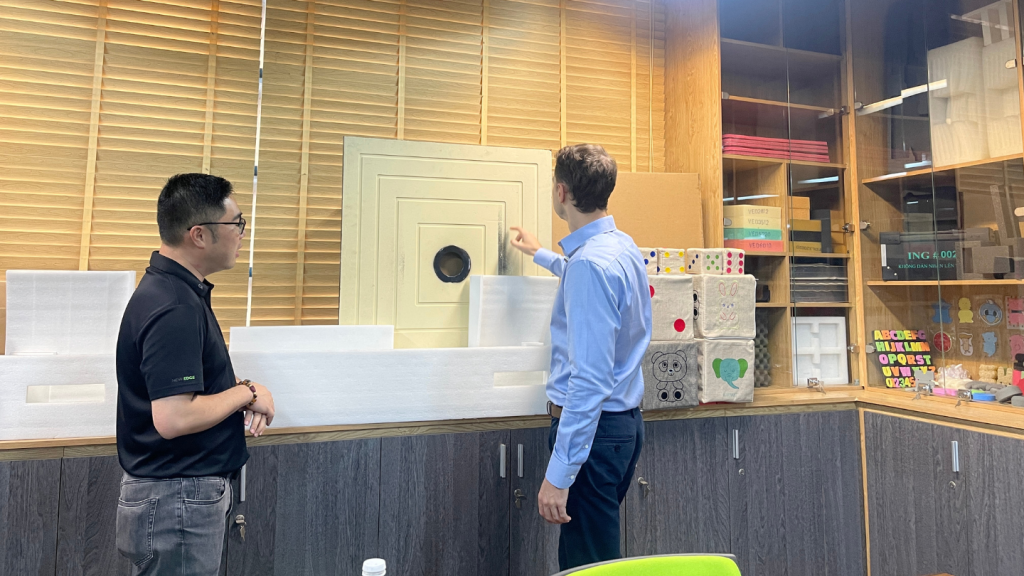
Step-by-Step Foam Die Cutting Process Explained
A clear understanding of the workflow helps buyers assess manufacturing capabilities and identify reliable suppliers.
Material Preparation
The process begins with foam sheets produced during the initial stages of the foam manufacturing process. These sheets are selected based on criteria such as density, thickness, and intended application.
Before cutting, materials are inspected to ensure consistency. Variations in foam density can affect cutting performance and final product quality, making this step essential for maintaining standards.
Tooling and Die Design
The design of the die is a critical element in foam die cutting. Engineers create a custom die that matches the exact shape required for the packaging insert. This stage often involves prototyping and adjustments to ensure that the final result meets precise specifications.
The quality of the die directly impacts cutting accuracy, edge finish, and overall product consistency.
Cutting with Industrial Foam Cutting Machine
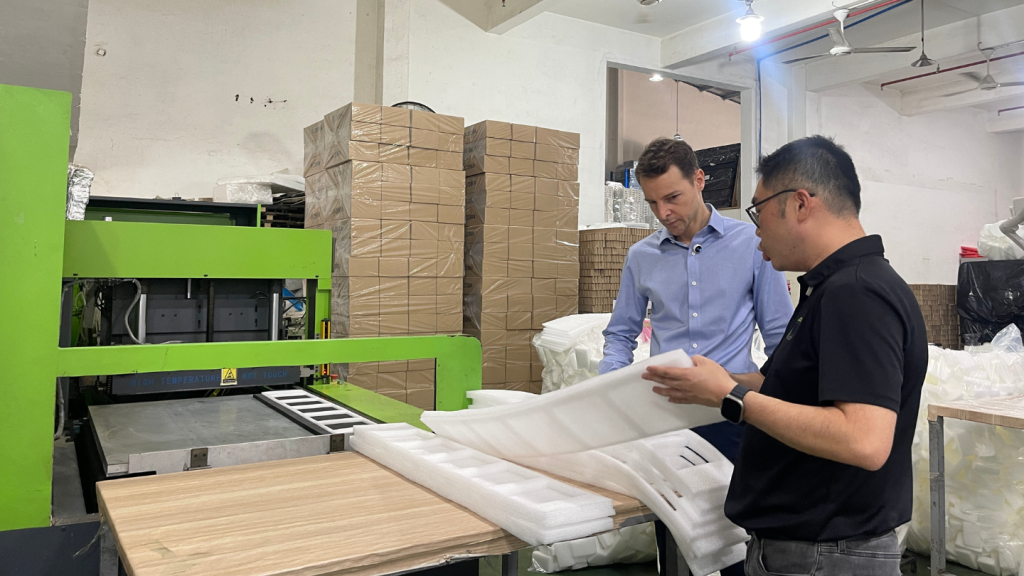
Once the die is ready, foam sheets are placed into an industrial foam cutting machine. The machine applies controlled pressure to press the die into the material, cutting it into the desired shape.
Modern equipment is capable of maintaining high precision even at high production speeds. In advanced facilities, automation is integrated into the process, improving efficiency and reducing variability.
Finishing and Quality Control
After cutting, each foam insert undergoes quality control checks to ensure dimensional accuracy and clean edges. This step may include visual inspection, measurement verification, and functional testing with the actual product.
High-quality manufacturers place strong emphasis on this phase, as it directly affects customer satisfaction and product safety.
Industrial Foam Cutting Machines: Technologies and Capabilities
The effectiveness of foam die cutting largely depends on the capabilities of the machinery used.
Types of Machines
There are several types of industrial foam cutting machines, each suited to different production needs. Hydraulic presses are commonly used for high-pressure applications, while CNC cutting systems offer greater flexibility for complex designs.
Although alternative technologies such as laser or waterjet cutting exist, die cutting remains the preferred method for large-scale production due to its efficiency and cost-effectiveness.
Automation and Precision
Automation is playing an increasingly important role in packaging manufacturing. Advanced machines are capable of handling multiple stages of production, from feeding materials to stacking finished products.
This level of automation improves consistency, reduces labor dependency, and allows manufacturers to meet strict tolerance requirements expected in international markets.
Advantages of Foam Die Cutting in Packaging Manufacturing
Foam die cutting provides a combination of precision, efficiency, and scalability that makes it highly suitable for industrial applications. The process allows manufacturers to produce large volumes of identical parts while maintaining consistent quality.
It also enables clean and professional finishes, which are essential for packaging that reflects brand image and product value. From a sourcing perspective, these characteristics contribute to cost optimization and supply chain reliability.
Applications Across Industries
Foam die cutting is used in a wide range of industries where product protection is essential. In electronics, it is used to secure sensitive components during shipping. In the medical sector, it protects delicate instruments that require careful handling. In industrial manufacturing, it is used to package heavy or complex equipment where impact resistance is critical.
This versatility explains why foam die cutting remains a core element of modern packaging solutions.
Challenges and Considerations for Buyers
Despite its advantages, foam die cutting requires careful planning and supplier selection.
Tooling Costs
The creation of custom dies involves an initial investment, which can be significant depending on the complexity of the design. However, this cost is generally offset by the efficiency gains achieved in large production runs.
Material Selection Impact
The choice of foam material plays a crucial role in the final outcome. Different materials respond differently to cutting processes, and selecting the wrong type can lead to suboptimal results even when using advanced machinery.
Supplier Capability Variability
Manufacturing capabilities can vary significantly from one supplier to another. Differences in equipment, expertise, and quality control processes can lead to variations in product quality.
This makes it essential to conduct thorough supplier evaluations, including audits and sample testing, before committing to production.
How to Evaluate a Foam Die Cutting Supplier
Selecting the right supplier is a key factor in ensuring successful production outcomes. Buyers should assess the supplier’s technical capabilities, experience with similar projects, and ability to meet specific requirements.
Evaluating quality control systems and reviewing production samples can provide valuable insights into the supplier’s reliability. In many cases, working with a local sourcing partner can help streamline this process and reduce risks.
The Future of Foam Manufacturing Process in Packaging
The foam manufacturing process is undergoing significant transformation as sustainability and technological innovation reshape the industry.
Manufacturers are increasingly exploring environmentally friendly materials and production methods, while digitalization is improving efficiency and traceability. Automation is expected to play a larger role in the coming years, further enhancing productivity and consistency.
These trends indicate that foam die cutting will continue to evolve, becoming more integrated with advanced manufacturing systems.
Conclusion: Why Foam Die Cutting Matters More Than Ever
Foam die cutting is a critical process that underpins modern packaging manufacturing. It enables the production of precise, reliable, and scalable protective solutions that meet the demands of global supply chains.
As industries continue to evolve, the importance of understanding foam die cutting, industrial foam cutting machines, and the broader foam manufacturing process will only increase. For sourcing professionals and manufacturers alike, mastering these fundamentals is essential to achieving long-term success.