Compare the best Vietnam sourcing partner options for international buyers, from sourcing agencies and buying offices to factory-direct sourcing models.
Best Vietnam Sourcing Partners for International Buyers
Vietnam has become one of the most important sourcing destinations in Asia. Over the past decade, the country has attracted a growing number of international buyers looking to diversify supply chains, reduce dependency on China, and access a competitive manufacturing ecosystem across sectors such as furniture, textiles, industrial manufacturing, packaging, and consumer goods.
As a result, searches related to the best Vietnam sourcing agency, Vietnam sourcing partner, or Vietnam buying office have increased significantly. However, many buyers entering the Vietnamese market quickly realize that the sourcing ecosystem is more complex than expected.
Unlike more mature sourcing markets where supply chains are highly standardized, Vietnam still operates through a mix of factories, trading companies, sourcing agents, sourcing agencies, and buying offices. Each structure serves different needs, and none of them is inherently better than another. The right sourcing model depends on the buyer’s objectives, production complexity, internal sourcing experience, and level of operational involvement required on the ground.
Understanding these differences is essential before starting sourcing operations in Vietnam.
Why International Buyers Continue to Shift Sourcing to Vietnam
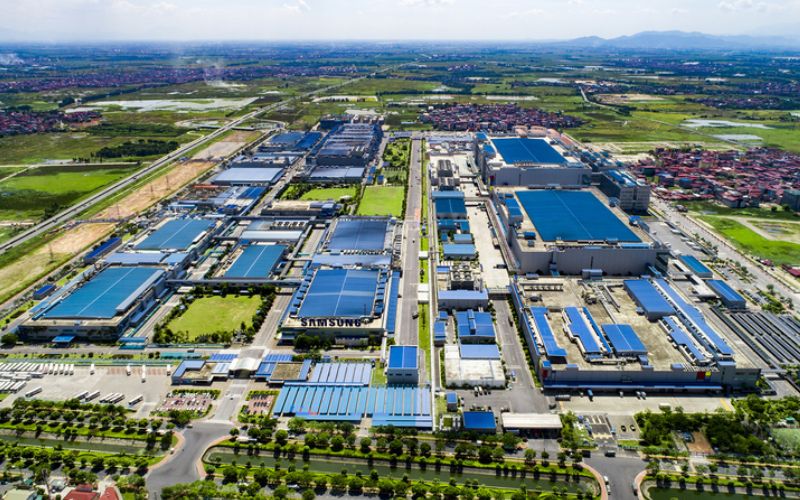
Vietnam’s rise as a manufacturing hub is closely linked to broader global supply chain transformations. Over the last several years, rising labor costs in China, geopolitical tensions, and the increasing importance of supply chain diversification have encouraged companies to explore alternative production destinations across Asia.
Vietnam has emerged as one of the strongest beneficiaries of this shift.
According to data released by the National Statistics Office (NSO) in Hanoi in April 2026, Vietnam’s total trade turnover reached 249.5 billion USD in the first quarter of 2026, representing a 23% increase compared to the same period in 2025. Export turnover alone reached 122.93 billion USD, while manufactured goods represented approximately 89.9% of total exports, reinforcing Vietnam’s position as one of Asia’s fastest-growing industrial and export economies. During the same period, the country’s industrial production index increased by 9%, its strongest first-quarter industrial expansion in seven years.
One of Vietnam’s main advantages remains its balance between competitive manufacturing costs and improving industrial capabilities. While labor costs remain lower than in many neighboring manufacturing economies, Vietnam has simultaneously developed a skilled workforce and a more sophisticated supplier ecosystem.
The country also benefits from major trade agreements such as the European Union–Vietnam Free Trade Agreement (EVFTA) and the Comprehensive and Progressive Agreement for Trans-Pacific Partnership (CPTPP), which strengthen Vietnam’s competitiveness in international export markets.
For international buyers, Vietnam is no longer viewed simply as a low-cost alternative. Increasingly, the country is seen as a long-term manufacturing partner capable of supporting more complex sourcing strategies.
Understanding Vietnam’s Sourcing Ecosystem
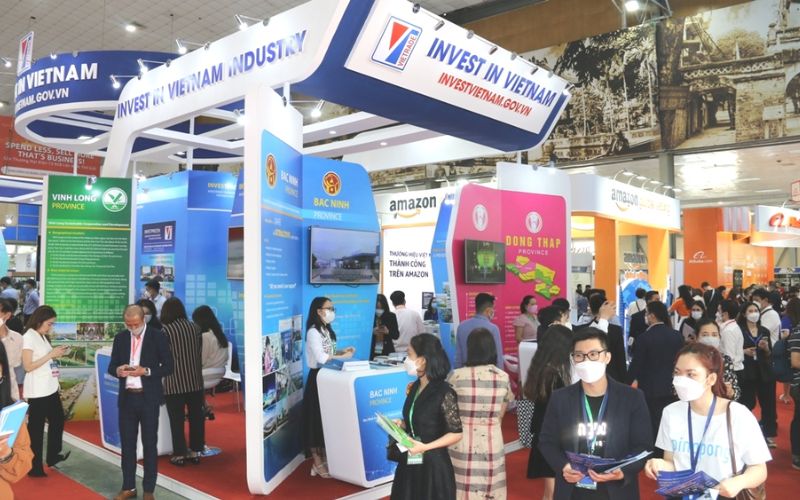
One of the biggest challenges for buyers entering Vietnam is understanding who they are actually working with.
Many international buyers assume that sourcing follows a simple factory-to-buyer structure. In reality, Vietnam’s sourcing landscape is far more layered. A company presenting itself online as a manufacturer may actually operate as a trading company, subcontractor, or sourcing intermediary.
This is not necessarily problematic. In many cases, intermediaries play an important role in managing supplier relationships, consolidating production, or supporting export operations. The issue is transparency rather than the existence of intermediaries themselves.
This is why buyers should avoid focusing exclusively on finding the “best sourcing agency in Vietnam.” The more important question is identifying which sourcing structure best matches their operational needs and sourcing objectives.
Factory Direct Sourcing: Advantages and Limitations
For many international buyers, factory-direct sourcing initially appears to be the ideal solution.
The logic is simple. Working directly with manufacturers can potentially reduce costs, improve communication with production teams, and eliminate intermediary margins. This approach is particularly attractive for larger companies with internal procurement teams already experienced in global sourcing operations.
In Vietnam, factory-direct sourcing is commonly used in industries such as garments, furniture, electronics, and industrial manufacturing, where production volumes justify direct supplier relationships.
However, factory-direct sourcing also comes with important operational challenges.
One of the biggest difficulties lies in supplier verification. In Vietnam, not every company claiming to be a factory necessarily owns production facilities. Some businesses outsource production entirely while maintaining a factory-oriented online presence. Others rely heavily on subcontracting networks that buyers may not initially see.
Without proper verification, buyers can quickly lose visibility over where products are actually being manufactured.
Direct sourcing also requires substantial internal resources. Managing Vietnamese suppliers involves negotiations, technical communication, production monitoring, quality control, logistics coordination, and problem-solving across different regions of the country.
For companies without local teams or sourcing experience in Vietnam, factory-direct sourcing can therefore become far more complex than expected.
Trading Companies: Flexibility but Limited Visibility
Trading companies remain an important part of Vietnam’s sourcing ecosystem, especially for smaller buyers or companies sourcing multiple product categories simultaneously.
These companies generally act as intermediaries between buyers and manufacturers. They may consolidate production across several factories, coordinate export documentation, or simplify communication for overseas customers unfamiliar with Vietnam’s manufacturing environment.
For buyers with small order quantities or diversified sourcing needs, trading companies can sometimes provide operational flexibility that direct factories may not offer.
In sectors such as handicrafts, home décor, or smaller consumer goods, trading companies often maintain extensive supplier networks that allow them to respond quickly to changing sourcing requests.
However, visibility over production can become more limited depending on the structure of the trading company.
Some trading companies operate transparently and openly explain how production is managed. Others may present themselves ambiguously as manufacturers while outsourcing production across multiple suppliers.
Again, the issue is not necessarily whether a buyer works with a trading company, but whether the production structure is fully transparent and operationally controlled.
Vietnam Sourcing Agents: Local Market Access and Operational Support

A Vietnam sourcing agent generally acts as a local representative supporting buyers throughout the sourcing process.
Unlike trading companies, sourcing agents typically do not sell products directly. Instead, they help buyers identify suppliers, negotiate pricing, conduct factory visits, manage communication, and monitor production.
This sourcing model has become increasingly popular among SMEs and international companies entering Vietnam for the first time.
One major advantage of sourcing agents is local market knowledge. Vietnam’s supplier ecosystem remains fragmented, and many qualified manufacturers have limited international visibility. A local sourcing agent can therefore provide access to suppliers that buyers would struggle to identify independently online.
Sourcing agents can also help bridge communication gaps and reduce misunderstandings related to production expectations, timelines, or technical specifications.
However, the quality of sourcing agents varies significantly.
Some agents operate with strong transparency and structured supplier evaluation systems. Others work primarily through commission-based supplier relationships that may create conflicts of interest.
For buyers, understanding how sourcing agents are compensated and how suppliers are selected remains extremely important.
Vietnam Sourcing Agencies and Buying Offices
For more structured sourcing operations, many international buyers prefer working with a Vietnam sourcing agency or a dedicated Vietnam buying office.
This model usually goes far beyond simple supplier introductions.
A sourcing agency may manage supplier scouting, audits, production follow-up, inspections, quality control, logistics coordination, and sourcing strategy advisory. In many cases, sourcing agencies act as operational extensions of the buyer’s procurement team on the ground in Vietnam.
This approach is particularly useful for companies that want local execution capabilities without immediately building their own internal sourcing office.
The advantage of a sourcing agency is often its ability to combine local operational presence with broader sourcing expertise across industries and supplier networks.
This becomes especially valuable in Vietnam because factory capabilities can vary significantly between suppliers. A structured sourcing agency can therefore help reduce sourcing risks through supplier pre-screening, production monitoring, and operational coordination.
Specialized firms such as MoveToAsia and FVSource are examples of companies operating within this ecosystem, supporting international buyers with sourcing execution, supplier management, and manufacturing coordination in Vietnam.
Their role is not necessarily to replace internal sourcing teams, but rather to facilitate sourcing operations and improve visibility on the ground.
At the same time, larger international advisory groups such as KPMG, PwC, Deloitte, and EY also support foreign companies entering Vietnam through broader advisory, compliance, tax, and operational services linked to manufacturing and sourcing projects.
This reflects how sourcing in Vietnam has become increasingly sophisticated and integrated into broader market entry strategies.
Supplier Verification Remains Critical
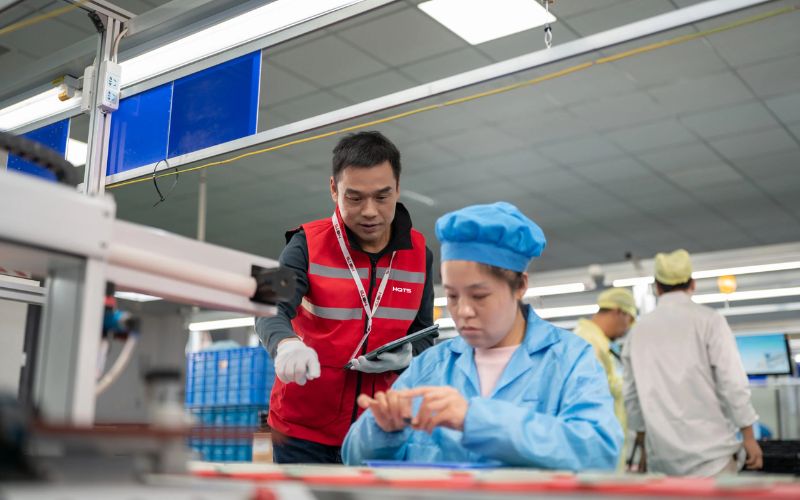
Regardless of the sourcing model selected, supplier verification remains one of the most important aspects of sourcing in Vietnam.
One of the most common mistakes international buyers make is relying exclusively on websites, online marketplaces, or catalogs when selecting suppliers.
In practice, many operational realities only become visible during direct verification.
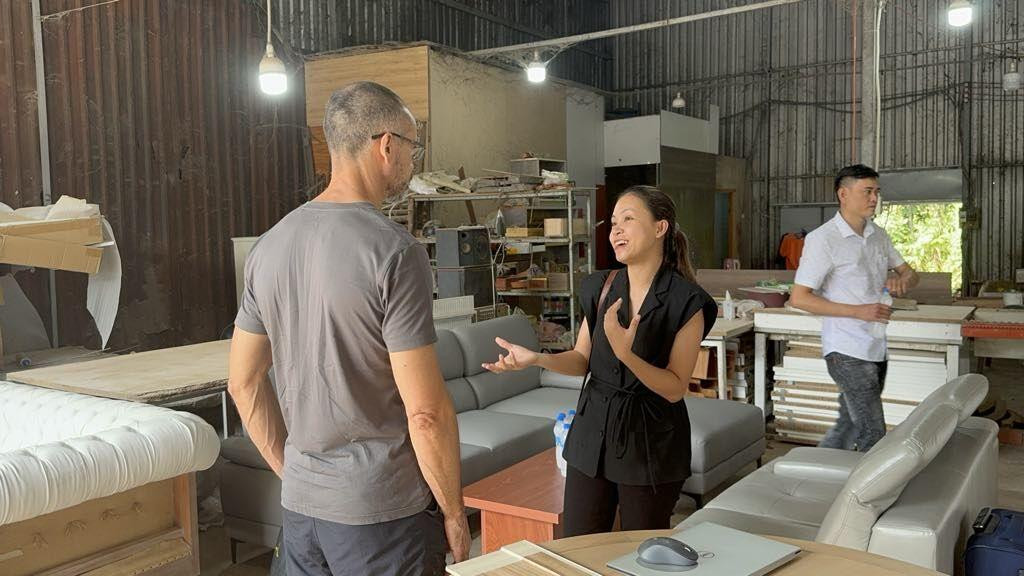
Factory visits remain one of the most effective methods for evaluating suppliers properly. Visiting production facilities allows buyers to assess machinery, production organization, workforce conditions, quality systems, and actual manufacturing capabilities.
Very often, the reality of a supplier becomes immediately clearer once buyers are physically on-site.
According to Better Work Vietnam, a joint initiative between the International Labour Organization (ILO) and the International Finance Corporation (IFC), supply chain transparency and compliance requirements continued increasing significantly between 2024 and 2026 as international buyers strengthened sourcing standards.
For buyers sourcing technical or high-value products, supplier verification should also include production capability analysis, export experience validation, quality certifications, and subcontracting transparency.
In Vietnam, long-term sourcing success is rarely based purely on pricing. Operational reliability and transparency often matter far more over time.
Which Vietnam Sourcing Model Is Best?
There is no universal sourcing structure that works for every company.
Large multinational buyers with experienced procurement departments may prefer factory-direct relationships combined with dedicated buying offices. Smaller buyers sourcing multiple product categories may benefit more from sourcing agencies or sourcing agents capable of providing local operational support.
Product complexity also plays a major role. Technical manufacturing projects generally require more supplier monitoring and production coordination than simpler commodity products.
In practice, many international buyers eventually adopt hybrid sourcing models. They may combine direct factory sourcing for strategic suppliers while relying on sourcing agencies for supplier scouting, audits, inspections, or operational support.
The objective should therefore not simply be finding the “best Vietnam sourcing agency,” but building a sourcing structure aligned with operational realities and long-term supply chain goals.
Conclusion
Vietnam continues strengthening its position as one of Asia’s leading sourcing destinations. As the country’s manufacturing ecosystem evolves, the sourcing landscape itself is becoming more diverse and sophisticated.
Factory-direct sourcing, trading companies, sourcing agents, sourcing agencies, and Vietnam buying offices all play different roles within this ecosystem. None of these structures is inherently better than another. The right choice depends on the buyer’s sourcing maturity, operational resources, product complexity, and long-term objectives.
For international buyers, successful sourcing in Vietnam increasingly depends on supplier transparency, operational visibility, and strong local execution capabilities.
As Vietnam continues moving up the manufacturing value chain, understanding how these sourcing structures operate will become even more important for companies building long-term sourcing strategies in Asia.