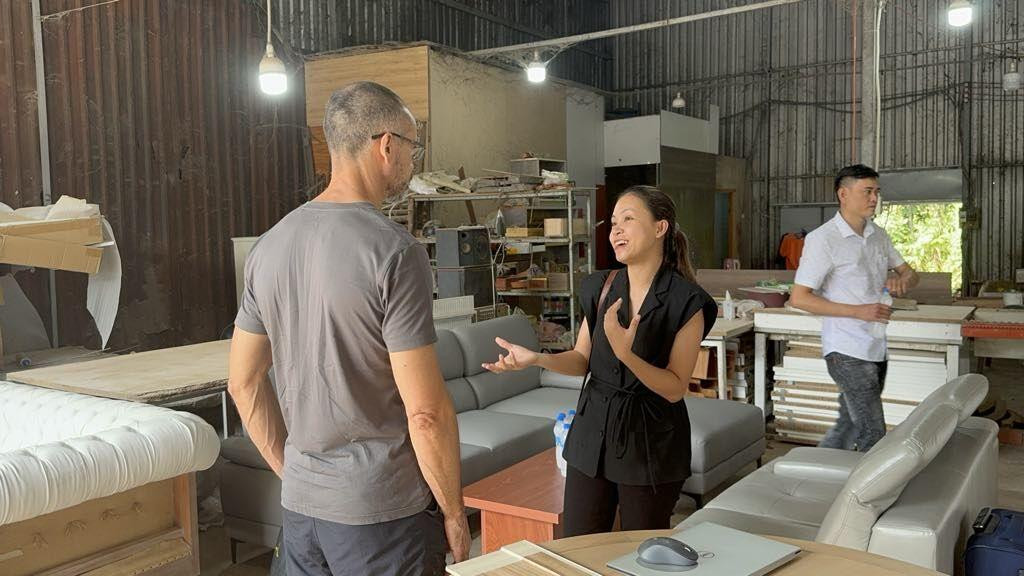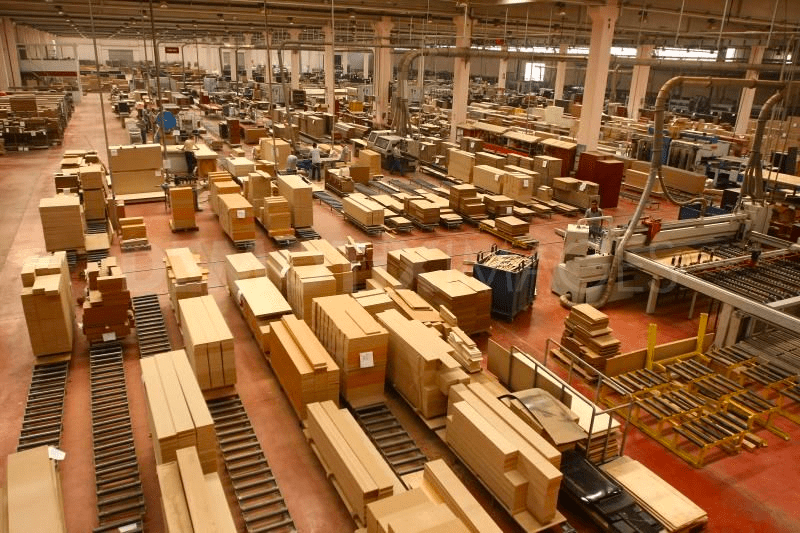
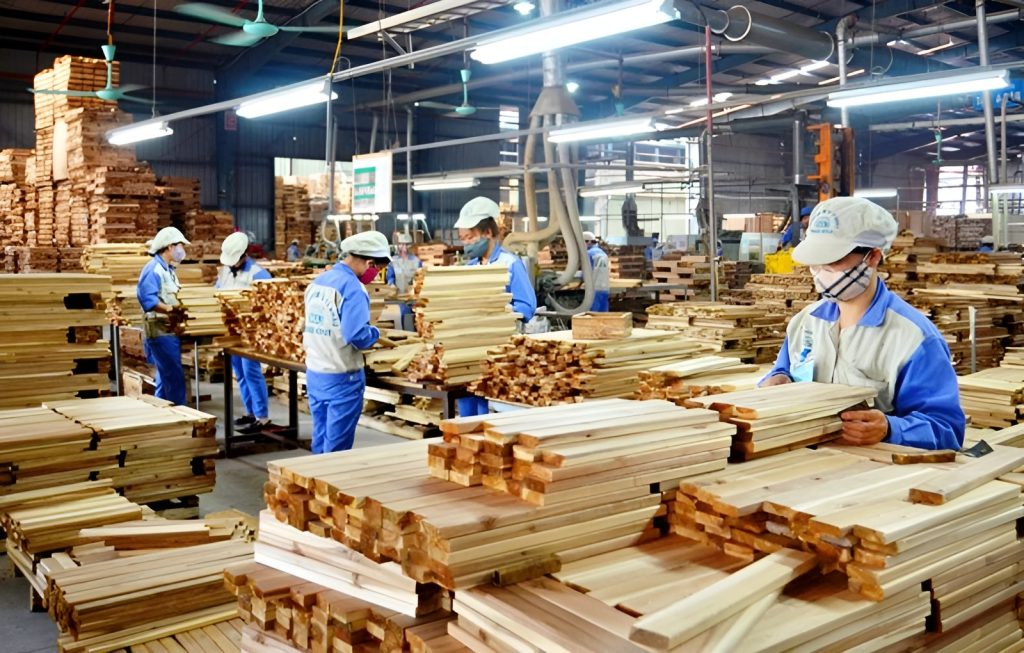
Vietnam’s furniture and wood industry has long been one of the country’s export success stories. In 2022, the EU imported around USD 1.6 billion worth of Vietnamese wood products, ranging from indoor furniture to decorative panels.
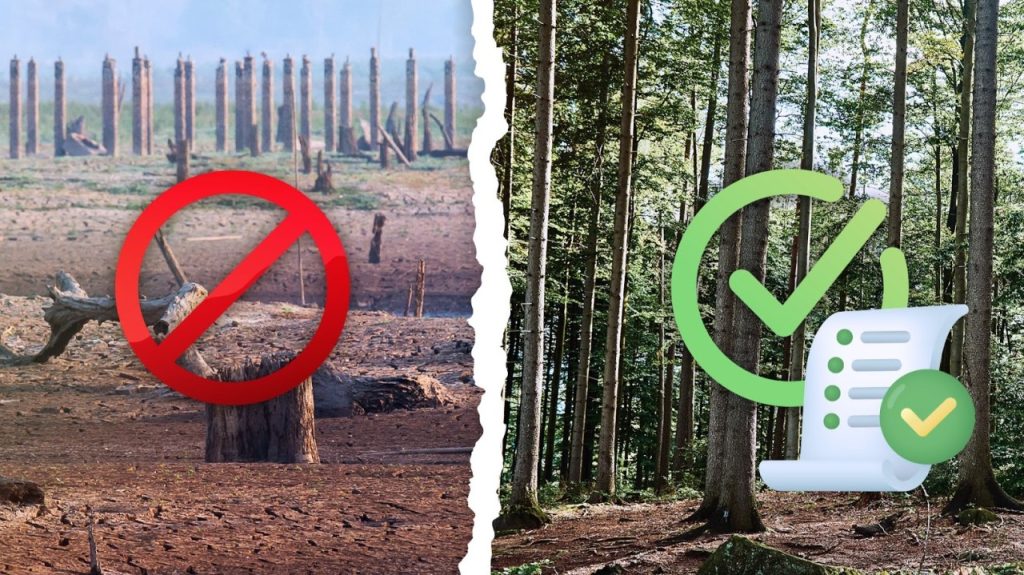
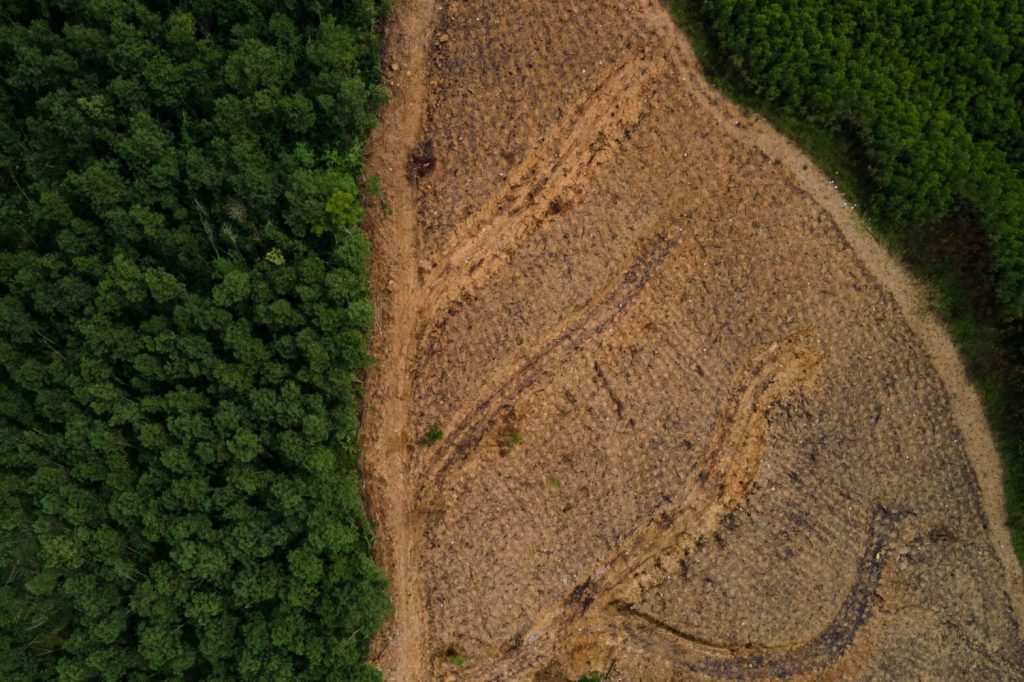
But with the EU Deforestation Regulation (EUDR) coming into effect in December 2025, the way Vietnamese wood reaches European homes is changing. The focus is shifting from “legally sourced” to “deforestation-free.” Every exporter must now prove that their wood products do not come from land deforested or degraded after December 31, 2020.
This regulation goes beyond traditional sustainability certifications like FSC (Forest Stewardship Council) and is reshaping how Vietnam’s wood industry documents, markets, and manages its supply chains.
From FSC to EUDR – What Has Changed
For years, FSC (Forest Stewardship Council) and PEFC (Programme for the Endorsement of Forest Certification) certifications have been the most recognized standards for sustainable forest management. They verify that timber originates from responsibly managed forests and meets environmental and social criteria.
However, the EUDR sets a new benchmark. It requires concrete proof, including GPS (Global Positioning System) coordinates of the harvest site, that no deforestation has occurred after the cutoff date. Even legally harvested wood may be disqualified if it comes from recently cleared land.
In simple terms, FSC and EUDR are not the same. FSC focuses on how forests are managed; EUDR focuses on where the wood comes from and whether that land was forest after 2020. FSC certification can support EUDR compliance, but it is not a substitute. Exporters will still need to provide geolocation data and file a due diligence statement through the EU’s online system.
How EUDR Changes the Furniture Supply Chain
Vietnam’s furniture industry depends on both domestic plantation timber and imported raw materials from countries such as Laos, Cambodia, and Africa. Under EUDR, exporters must now:
- Trace each log back to its original forest or plantation,
- Verify that the area has not been deforested or degraded after 2020, and
- Demonstrate that harvesting complied with all relevant laws.
Every shipment to the EU must have a clear paper trail, from forest coordinates and transport permits to factory records and export declarations.
This marks a major shift for manufacturers who previously bought mixed or aggregated timber from multiple suppliers. To comply, they must separate EUDR-verified materials, improve documentation, and digitalize procurement systems.
The reward for doing so is significant: compliant exporters will move faster through EU customs and enjoy continued access to a market that values transparency and environmental responsibility.
Vietnam’s Readiness and Ongoing Reforms
Vietnam already has a strong foundation through its Voluntary Partnership Agreement (VPA) with the EU under the FLEGT framework. The Vietnam Timber Legality Assurance System (VNTLAS) ensures legality verification for timber exports, requiring detailed origin records and supply-chain monitoring.
EUDR, however, adds a new layer of deforestation-free verification. Even timber legally harvested under VNTLAS must now include land-use data and geolocation evidence.
To meet this requirement, the Ministry of Agriculture and Rural Development (MARD) is expanding the use of satellite monitoring and forest mapping. Pilot programs in Binh Duong and Dong Nai are testing digital traceability platforms for furniture factories, enabling exporters to tag each timber batch with a verified location of origin.
Some leading companies, such as Scansia Pacific and Woodsland, have begun implementing end-to-end traceability systems, showing that compliance is achievable and can enhance Vietnam’s credibility as a sustainable sourcing hub.
Marketing the “Deforestation-Free” Advantage
The shift to traceable and transparent wood sourcing is not just about compliance; it’s also about brand differentiation. European consumers are increasingly motivated by sustainability; more than 60% say they prefer eco-certified or environmentally verified furniture.
For Vietnamese exporters, this creates a new marketing opportunity:
“Deforestation-Free Furniture – Made in Vietnam.”
Manufacturers that can demonstrate clean, traceable supply chains can:
- Enhance brand image by highlighting EUDR compliance in catalogs and trade fairs.
- Build stronger partnerships with EU retailers and distributors that require verified sourcing.
- Access premium market segments, where sustainable furniture commands higher margins.
- Attract green finance, as ESG-linked loans increasingly reward verified sustainability data.
By positioning themselves as responsible producers, Vietnamese furniture brands can transform regulatory pressure into a strategic advantage.
Practical Steps for Furniture Importers
- Audit your supply base. Identify where your timber originates and assess the documentation available.
- Collect geolocation data. Work with suppliers to record GPS coordinates for each plantation or harvest plot.
- Upgrade record systems. Move from paper tracking to digital databases linking batches to verified sources.
- Integrate FSC and EUDR efforts. Maintain FSC certification but add deforestation-free verification to meet EU demands.
- Collaborate with EU partners. Coordinate early on due diligence statement formats and data submission timelines.
- Train your teams. Ensure that procurement and export departments understand EUDR procedures.
- Communicate sustainability. Use traceability and compliance data as part of your brand storytelling.
Compliance or Competitiveness ?
The EUDR raises the bar, but Vietnam is well-positioned to meet it. Its mature legal framework, active government coordination, and industry experience with legality verification provide a strong starting point.
Companies that digitalize early and prove their products’ origins will not only avoid trade disruptions but also gain a long-term competitive edge. As EU buyers prioritize reliable, deforestation-free suppliers, Vietnam’s exporters can lead the region in sustainable manufacturing, turning compliance into a marketing asset.
Conclusion – Vietnam’s Sustainable Wood Future
The EUDR marks a new chapter for Vietnam’s wood industry, which is built on traceability, transparency, and trust. While the transition will require investment in data systems and training, it also paves the way for stronger positioning in global markets that increasingly demand verified sustainability.
By combining FSC credibility with EUDR-grade traceability, Vietnamese furniture exporters can redefine “Made in Vietnam” as a symbol of environmental responsibility.
For a deeper analysis of EUDR requirements, sector-specific risks, and Vietnam’s national readiness roadmap, download FVSource’s EUDR White Paper 2025, featuring insights, data, and practical guidance for exporters navigating this new regulation.