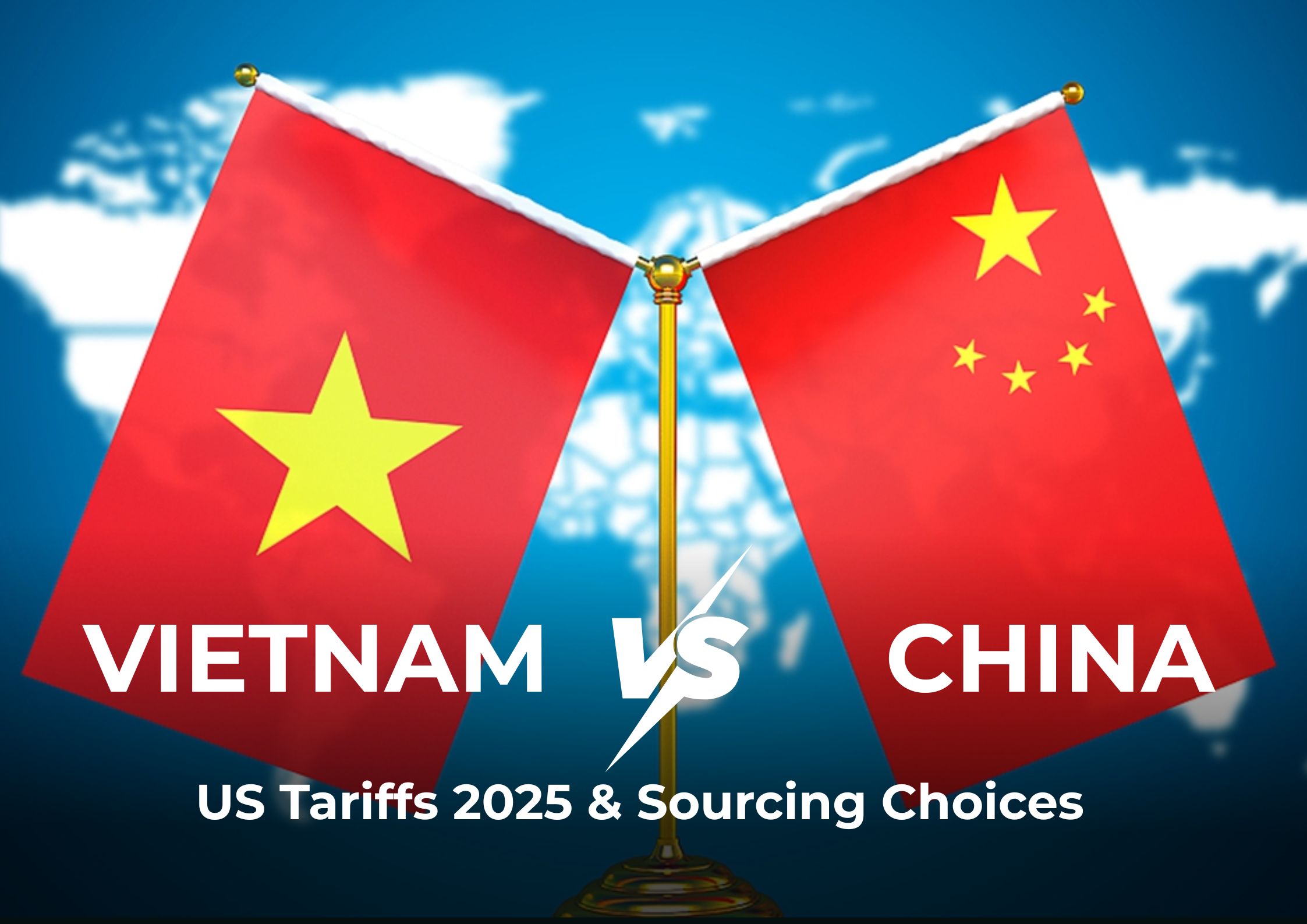
The US tariffs 2025 have sent shockwaves across global supply chains, particularly affecting China, long considered the world’s manufacturing hub. Rising duties on key exports have increased landed costs, prompting international buyers to rethink sourcing strategies. In response, companies are actively searching for alternatives to China, and Vietnam exports are increasingly emerging as a viable, strategic option. With competitive labor costs, flexible logistics, and favorable trade policies, Vietnam is steadily gaining attention as a reliable manufacturing partner in the region.
How US Tariffs Are Affecting China
China is facing heightened export tariffs under the US tariffs 2025 framework, with rates averaging around 30% on electronics, textiles, furniture, and other key goods. These tariffs raise the total cost for U.S. buyers, including shipping and compliance, and introduce significant uncertainty in trade planning.
Moreover, the concept of a reciprocal tariff comes into play when the U.S. imposes measures that provoke retaliatory duties from affected countries. For businesses relying on China, this means added risks: higher tariffs could prompt further trade countermeasures, creating unpredictable costs and potential delays.
As a result, global buyers are now exploring other sourcing options to reduce exposure to tariffs and mitigate geopolitical risks. Vietnam, with its lower average tariffs and robust manufacturing ecosystem, is emerging as a prime alternative.
Watch the video below to hear experts share additional insights on how Vietnamese exporters can navigate challenges and find opportunities in a high-tariff environment.
Vietnam as a Strategic Alternative for sourcing
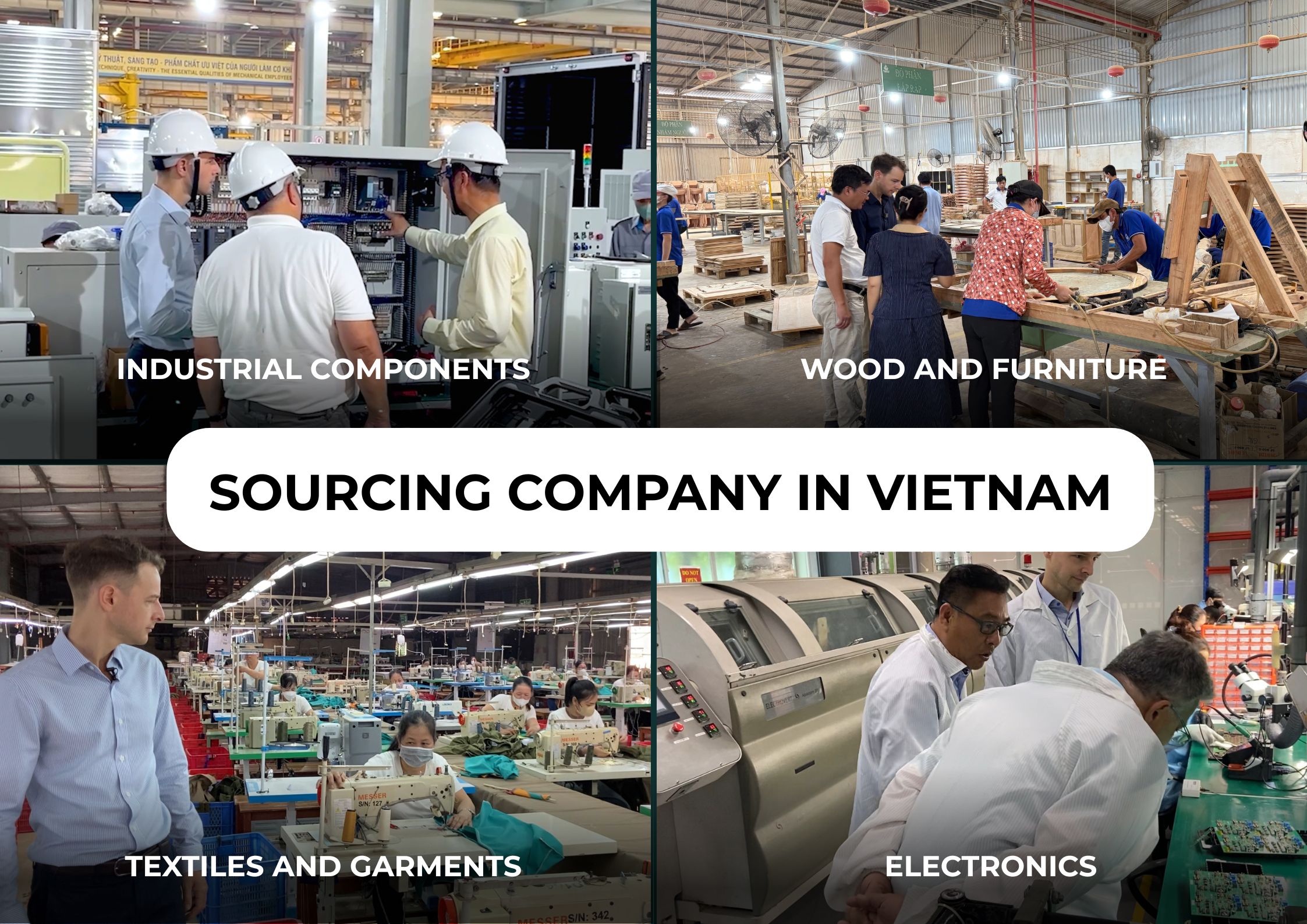
Sourcing from Vietnam offers multiple advantages over China in the current trade environment. Vietnam benefits from lower labor costs, flexible logistics networks, and export-friendly policies that simplify global trade. The country has strategically developed key sectors, including:
- Electronics: Home to major assembly plants and component manufacturers, Vietnam is now a critical player in electronics exports.
- Textiles and garments: Vietnam continues to rank among the world’s top apparel exporters, leveraging skilled labor and compliance standards attractive to U.S. and EU buyers.
- Wood and furniture: The country has become a leading supplier of wooden furniture, offering environmentally certified products at competitive prices.
- Industrial components: Vietnam’s growing capacity in machinery and components serves a wide range of global industrial clients.
These sectors demonstrate Vietnam’s versatility, making it an appealing alternative for companies seeking to diversify away from China.
Vietnam vs China sourcing: Comparative Advantages
When comparing Vietnam vs China, several factors make Vietnam an attractive sourcing destination:
- Labor costs: Vietnam remains significantly cheaper than China, while productivity continues to improve.
- Transportation and logistics: Ports like Cai Mep–Thi Vai and modern highway systems reduce shipping times and costs.
- Tariff exposure: Vietnam’s average reciprocal tariff rate of 20% is lower than China’s 30%, offering cost relief for U.S. buyers.
- Production technology and standards: Vietnam benefits from strong FDI inflows from South Korea, Japan, and Taiwan, which has elevated manufacturing technology and ensured compliance with international certifications.
These factors provide a compelling argument for sourcing from Vietnam, particularly for buyers looking to mitigate risk and maintain high-quality standards.
Strategies for Vietnamese Sourcing
To seize opportunities amid changing tariffs, Vietnamese exporters need a clear strategy. Practical approaches include:
Enhancing product quality and international certifications: Achieving standards such as ISO, FSC, and PEFC boosts credibility with global buyers and opens access to premium markets.
Leveraging free trade agreements (FTAs): Agreements like EVFTA, CPTPP, and RCEP allow Vietnamese exporters to enter new markets, reduce dependence on the U.S., and mitigate the impact of tariffs.
Building reliable supply chains: Focusing on speed, transparency, and traceability helps meet the expectations of American and European clients.
Investing in strategic partnerships: Collaborating with global importers on logistics, warehousing, and customization services helps maintain long-term relationships and smooths the effects of tariff fluctuations.
By adopting these strategies, Vietnamese exporters can strengthen competitiveness and secure a sustainable position in international markets.
Implications for Global Buyers
For companies navigating US tariffs 2025, Vietnam offers clear advantages over China. Shifting orders to Vietnam can help:
- Reduce tariff-related risks: Lower duties on Vietnamese exports help minimize total landed costs.
- Improve supply chain efficiency: Shorter lead times and modern logistics infrastructure ensure reliable delivery.
- Enhance risk management: Diversifying production across multiple countries mitigates dependency on a single source and reduces vulnerability to geopolitical tensions.
In short, sourcing from Vietnam is a strategic move for international buyers looking to maintain cost efficiency and continuity in production.
Conclusion
The evolving trade environment of 2025 positions Vietnam as a strategic alternative to China. With competitive labor, modern logistics, strong FDI, and supportive trade policies, Vietnam exports continue to attract global attention. Companies planning procurement should explore Vietnamese suppliers and adjust sourcing strategies accordingly.
As global trade shifts under US tariffs 2025, Vietnam offers reliability, cost efficiency, and scalable production. For both exporters and buyers, embracing the opportunities within Vietnam’s manufacturing ecosystem can safeguard growth, maintain margins, and ensure long-term competitiveness.
Vietnam is no longer merely a backup for China—it is a central player in global sourcing strategies, ready to thrive amid the challenges and opportunities created by evolving tariff policies.